

Preparing for a long-distance road trip requires more than just packing a suitcase and checking the GPS. For caravan owners, the vehicle serves as both a primary mode of transport and a mobile residence. The structural integrity and mechanical reliability of the unit determine the safety and comfort of everyone on board. Identifying potential issues before departure prevents minor wear from escalating into expensive roadside emergencies.
Thorough inspections allow you to address faults in a controlled environment rather than under the stress of a breakdown in a remote location. This proactive approach ensures that the focus remains on the journey rather than on logistical failures.
Structural Integrity and Exterior Seals
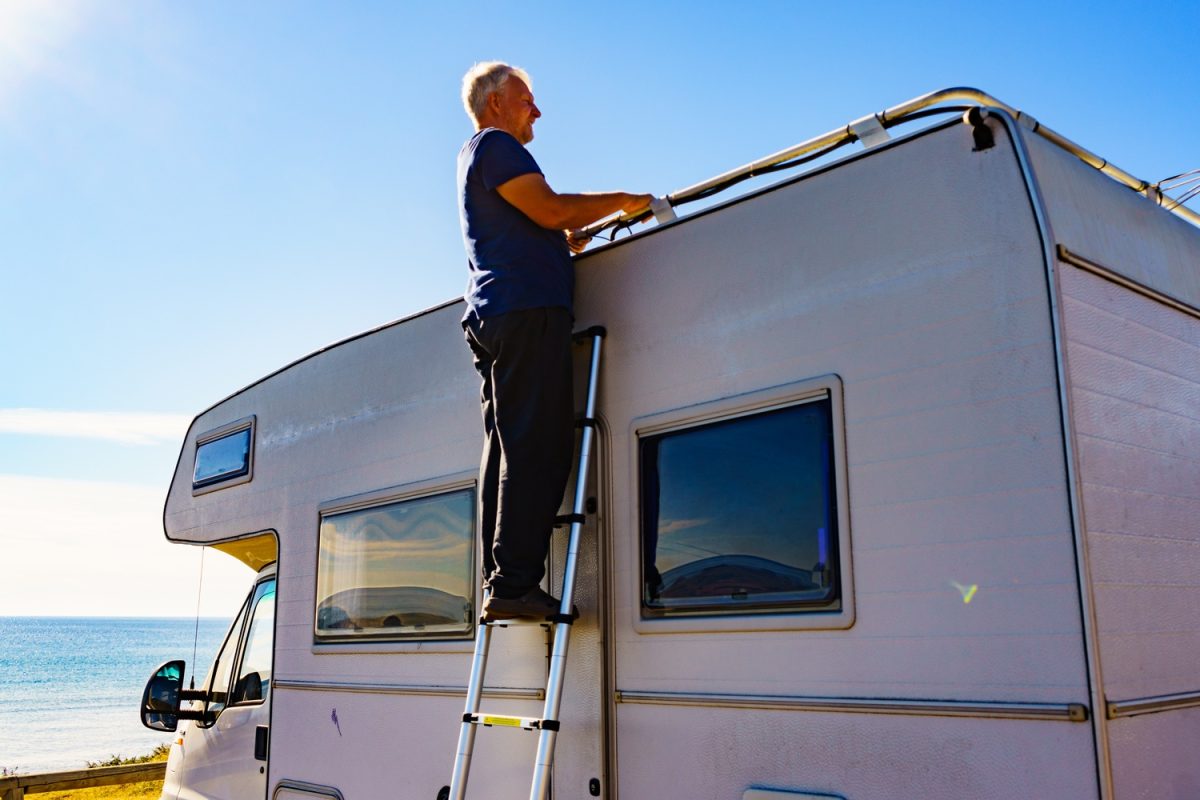
The exterior shell of a caravan bears the brunt of environmental exposure. Fluctuations in temperature cause the body’s materials to expand and contract, which eventually stresses the joints. You must examine the roof seal and all window moldings for cracks or gaps. Small openings allow moisture to penetrate the frame, often leading to significant water damage that remains hidden behind interior panels until the structural timber rots. Owners should look for discolouration on the internal walls or a musty scent, as these indicate a breach in the external barrier.
Manufacturers often use a sandwich design for walls to provide insulation and strength while keeping the weight low. If you notice any delamination or bubbling on the exterior skin, it suggests that the adhesive bond is failing. Addressing these structural concerns early prevents the wind pressure of highway driving from tearing loose components away from the chassis. A sturdy exterior ensures the cabin remains weather-tight and secure regardless of the terrain or climate encountered on the road.
Chassis and Running Gear Maintenance
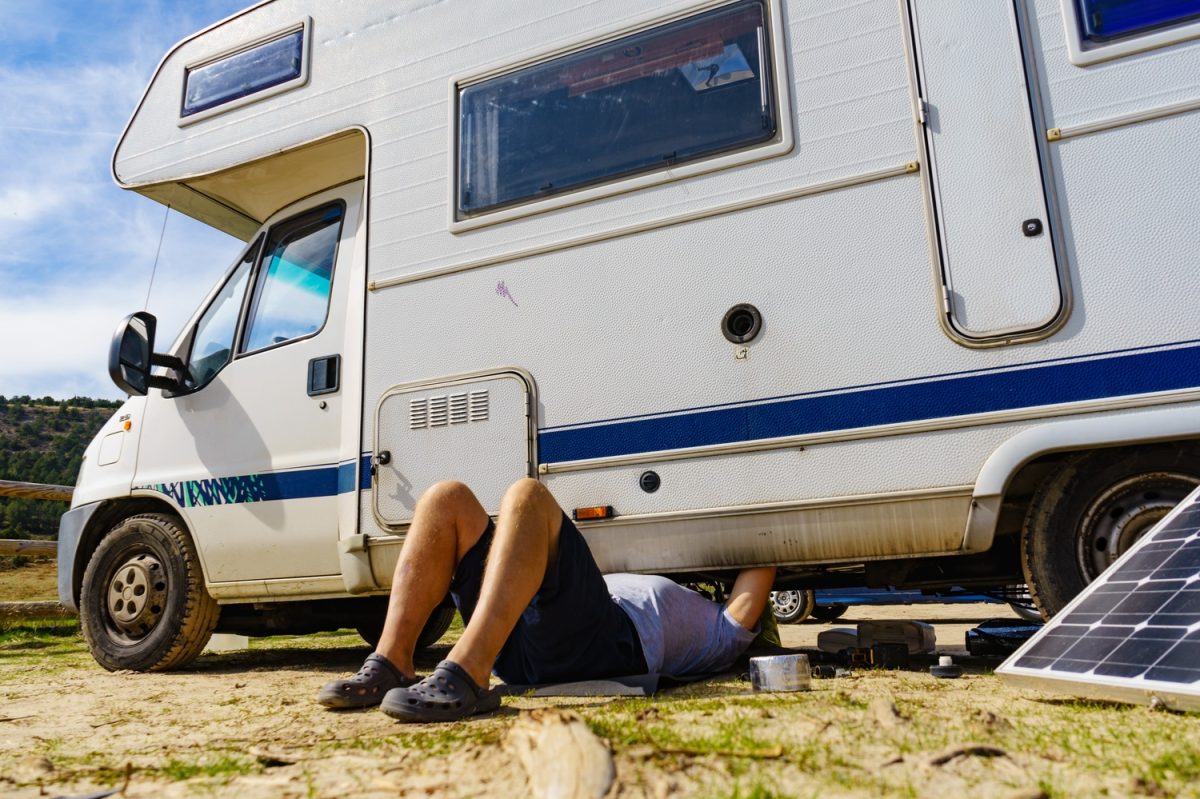
The chassis serves as the foundation of the caravan, supporting the entire weight of the living quarters and belongings. Road vibrations and salt exposure can lead to corrosion or stress fractures in the steel frame. You should inspect the drawbar and the main rails for any signs of rust or deformation. Early detection of metal fatigue allows for reinforced caravan repairs before the metal reaches a point of total failure. Neglecting the underside of the vehicle puts the occupants at risk, as a compromised chassis can lead to unpredictable handling or detachment while in motion.
Brakes and bearings require specific attention because they manage the heat and friction generated during long descents. You should grease the wheel bearings and check the brake shoes for even wear. If the caravan pulls to one side during braking or makes a high-pitched squealing sound, the system needs immediate adjustment. Maintaining these mechanical components ensures the vehicle stops efficiently, reducing the strain on the towing car and providing the driver with better control during emergency manoeuvres.
Plumbing and Gas Safety Systems
Reliable access to water and safe cooking facilities are essential for self-contained travel. You must pressure test the plumbing lines to ensure no leaks have developed in the joints during storage. Replacing old water filters guarantees that the drinking supply remains free from contaminants and sediment that often accumulate in stagnant tanks. Inspect the pump for consistent operation; a pump that cycles on and off when no taps are open indicates a hidden leak within the system that requires attention.
Safety remains the priority when dealing with LPG systems. Licensed gas fitters should periodically certify the installation to ensure all valves and regulators function correctly. You can perform a basic check by applying soapy water to the connections to look for bubbles, which signal a gas leak. Because gas leaks pose a significant fire and inhalation risk, verifying the integrity of the copper lines and rubber hoses is a non-negotiable step in pre-trip preparation.
Electrical Systems and Power Management
Modern caravans rely heavily on complex electrical setups to power lights, appliances, and navigation tools. You should test the house batteries to ensure they hold a charge under load. Lithium batteries provide a technical advantage for long-term travel because their chemistry supports a higher depth of discharge without damaging the cells, which extends the usable power between charges. You must also check all interior and exterior lighting to confirm that the indicators and brake lights on the rear of the caravan sync perfectly with the towing vehicle.
For those planning to camp away from mains power, the mobile solar power setup must be optimal. Clean the solar panels on the roof to maximise UV absorption and check the regulator for any fault codes. If your caravan features modern air conditioning, run the unit on both cooling and heating cycles to verify that the compressor engages without unusual noises. Reliable power management prevents the frustration of a dead battery in the middle of the night and ensures that food stays cold in the refrigerator regardless of the external temperature.
Interior Functionality and Specialised Care
The interior of a caravan contains various moving parts that can loosen over time due to road vibrations. Check every cupboard latch and drawer runner to ensure they stay closed during transit. Loose fittings can fly open while driving, causing damage to the cabinetry or the items stored inside. Using high-quality vacuum equipment to clean the tracks of sliding doors and windows prevents the buildup of grit that can jam the mechanisms.
Some owners prefer to take their vehicle to a professional caravan repair centre for a comprehensive audit. These facilities often feature an on-site workshop equipped with specialised tools that a home garage might lack. Experts can assess the paint system for UV degradation and check for minor appliance faults that are easy to overlook.
Utilising professional services provides a level of personalised care that addresses the specific make and model of your vehicle. Professional technicians can also source specific spare parts quickly, ensuring that you do not delay your departure while waiting for components to arrive.
Conclusion
A successful caravan trip depends on the reliability of the vehicle and the safety of its systems. Understanding the ‘why’ behind each inspection, such as preventing structural rot or ensuring braking efficiency, empowers owners to take responsibility for their equipment.
Taking the time to request a service or conduct a personal DIY audit before the holiday begins saves time and money in the long run. Proper preparation allows you to navigate the Australian landscape with confidence, knowing that your mobile home is robust enough to handle the challenges of the road. Focusing on these details ensures that the only thing you have to worry about is enjoying the scenery and the company of your fellow travellers.

