

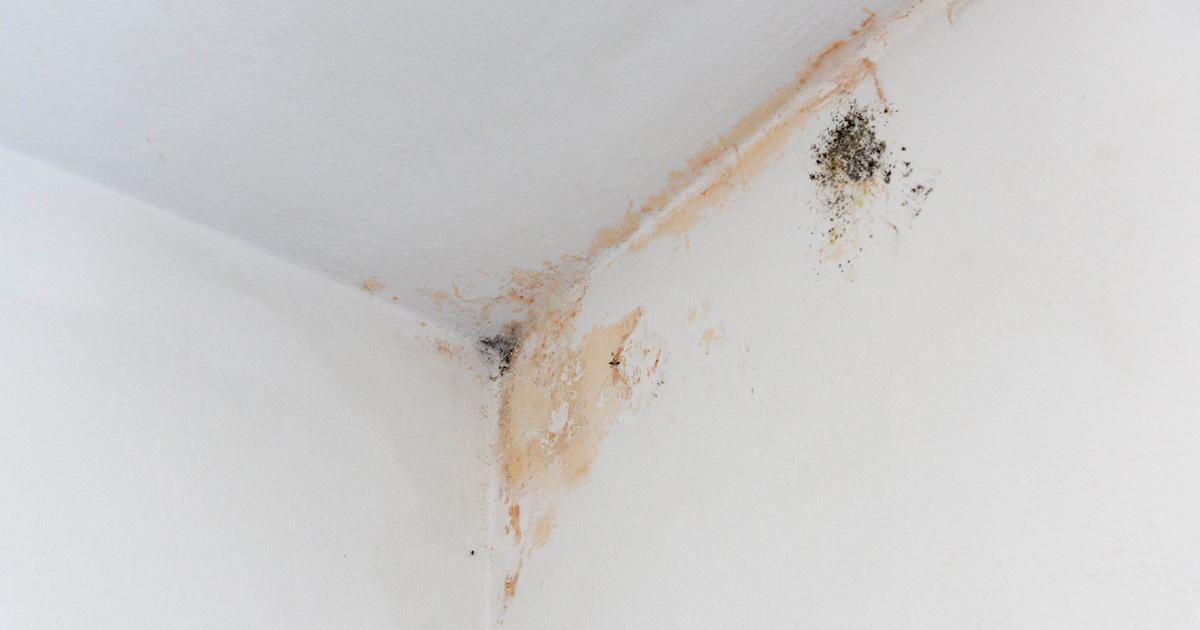
I hate bathroom mould. It’s one of those things that sneaks up on you, and before you know it, there’s a black patch creeping across your ceiling or hiding in the grout between your tiles. If you’re renting, it’s even more stressful because you’re worried the landlord will blame you for it at the end of your lease.
I’ve dealt with bathroom mould more times than I’d like to admit, both in my own homes and when helping family members sort out their properties. The good news is that you absolutely can get rid of bathroom mould permanently, but it requires more than just spraying some bleach and hoping for the best.
Let me walk you through everything I’ve learned about dealing with this annoying problem.
Why Your Bathroom Gets Mouldy in the First Place
Before you start attacking the mould with cleaning products, it helps to understand why it keeps coming back. Mould isn’t just being difficult. It’s actually thriving in your bathroom because you’ve accidentally created a mould penthouse suite for it.
Mould loves three things: moisture, warmth, and poor air circulation. Your bathroom has all three in abundance. Every time you have a shower, you’re creating a warm, humid environment with steam settling on every surface. If that moisture doesn’t dry out properly, mould moves in and makes itself at home.
According to Bunnings community members and various mould removal experts, the bathroom ceiling is particularly vulnerable because warm, moist air rises and settles there. Add in poor ventilation, and you’ve got the perfect breeding ground. Some bathrooms are worse than others. If your bathroom doesn’t have a window or a decent exhaust fan, you’re fighting an uphill battle from the start.
The Harsh Truth About Cleaning Products
Here’s something that surprised me when I first started researching mould removal properly. A lot of those mould removal sprays you buy from the supermarket don’t actually kill the mould. They just bleach it white so you can’t see it anymore.
I’m not saying they’re completely useless. Products like Selleys Rapid Mould Killer or Ajax Professional Mould Remover do work if you use them correctly. But if you’re just spraying and wiping without addressing why the mould is there in the first place, you’re wasting your time and money. It’ll be back within weeks.
Choice magazine’s testing suggests that while bleach can be effective at removing surface mould, vinegar solutions (four parts white vinegar to one part water) are often just as good and less harsh on your lungs. The key thing is that you need to actually scrub, not just spray and hope.
Where Mould Hides and Why It Matters
Mould isn’t always obvious. Sure, you’ll spot the big black patches on your ceiling easily enough, but there are other sneaky spots where mould loves to hide.
Check your shower grout, the silicone sealant around your bath and basin, the corners where your walls meet the ceiling, around the base of your toilet, behind your bathroom door, and anywhere water tends to pool or splash regularly. Window sills in bathrooms cop a lot of condensation too, so don’t forget to check there.
The type of surface matters a lot when it comes to whether you can actually get rid of mould. Hard, non-porous surfaces like tiles, glass, and plastic are relatively easy to clean. Semi-porous surfaces like painted walls or concrete are trickier but usually manageable.
But here’s the frustrating bit. According to experts from CHOICE and Better Homes & Gardens, once mould gets into porous materials like grout, silicone, fabric, or unsealed wood, you can clean the surface all you want but the mould’s roots (called hyphae) are deep inside where you can’t reach them. In those cases, you need to replace the material entirely. No amount of scrubbing will fix it.
The Right Way to Remove Existing Mould
Alright, let’s get into the actual cleaning process. Before you start, you need to protect yourself properly. Mould spores can cause respiratory problems, especially if you’re scrubbing away and flinging them into the air.
Turn on your exhaust fan or open a window. Wear disposable gloves, eye protection, a P2 face mask (you can get these from Bunnings for about $20), and clothes that cover your arms and legs. If you’re pregnant, have asthma, or have a weakened immune system, get someone else to do this job. It’s not worth the health risk.
For small to medium patches of mould (anything under about 1 square metre), you can tackle this yourself. Anything larger than that, and you should probably call in professional mould removalists. They charge between $60 and $110 per hour according to industry rates, but they’ve got proper equipment and know what they’re doing.
Here’s my process for cleaning bathroom mould. Mix up your cleaning solution. I use four parts white vinegar to one part water in a spray bottle. If that doesn’t work, you can use a diluted bleach solution (250ml bleach in 4 litres of water) but only in a well-ventilated area. Spray the affected area generously and let it sit for at least 10 minutes. Don’t wipe it off immediately, the solution needs time to work.
Use a scrubbing brush to physically remove the mould. For grout and tight spaces, an old toothbrush works great. You need to actually scrub, don’t just wipe. For really stubborn mould on hard surfaces, some people on cleaning forums swear by the cotton wool trick. Soak cotton balls or cotton wool in bleach or mould remover, press them onto the mouldy areas, and leave them for several hours or overnight. I tried this on my shower grout and I was genuinely shocked at how well it worked.
Rinse the area thoroughly with clean water and dry it completely with a clean cloth. This drying step is crucial. If you leave it damp, you’re just inviting the mould back.
When You Need to Replace Rather Than Clean
This is the bit nobody wants to hear, but sometimes cleaning isn’t enough. If you’ve got mould in your grout that won’t come out no matter how much you scrub, you need to re-grout. You can buy a grout removal tool from Bunnings for about $20. Scrape out the old grout until there’s no staining left, then apply fresh grout. Let it dry, clean up the excess with a damp sponge, and apply a grout sealer after 48 hours.
Similarly, if your silicone sealant around the bath or shower is black with mould, it needs replacing. Cut it out with a sharp blade or use a chemical silicone remover, clean the area thoroughly, then apply new silicone. Use masking tape on either side of the join to keep it neat, smooth it with a finger dipped in soapy water, and remove the tape before it dries.
If mould has stained your painted walls or ceiling, even after you’ve killed the mould, those stains will still show through. You’ll need to repaint. Use a stain-blocking primer first (otherwise the stains will bleed through your new paint) and then use a bathroom-specific paint. Better Homes & Gardens recommends mould-resistant paints like Dulux’s Precision Stain & Mould Blocker for extra protection.
The Secret to Permanent Mould Prevention
Here’s where most people go wrong. They clean the mould, feel accomplished, and then wonder why it’s back again in a few months. Cleaning mould without fixing the underlying moisture problem is like mopping up water while the tap is still running.
The single most important thing you can do is improve ventilation. If you don’t have an exhaust fan, get one installed. And not just any exhaust fan, it needs to vent outside. Some older bathrooms have fans that just blow into the roof cavity, which doesn’t help at all and might actually make things worse.
According to product reviews and recommendations, decent bathroom exhaust fans start at around $150 for something like the IXL Ducted Ventflo, going up to $800 for fancier models like the Tastic Luminate that combines ventilation with heat lamps and lighting.
Use your exhaust fan every single time you shower, and leave it running for at least 15 minutes afterwards. Better yet, get one with a timer so you don’t have to remember to turn it off.
If you’ve got a window in your bathroom, open it whenever you can, especially after showers. Even in winter, crack it open for 10 minutes to let the moisture escape.
Here’s a habit that makes a huge difference but sounds like a pain: squeegee your shower walls after every use. I know, I know, it feels like extra work. But it literally takes 30 seconds and it removes most of the water before it has a chance to cause problems. Members of the Bunnings Workshop community who live in Europe swear by this method because many European bathrooms don’t have exhaust fans.
Wipe down your tiles, glass, and any surfaces where water pools. Again, this takes about a minute but it makes a massive difference. Mould needs moisture to survive. Take away the moisture and it can’t grow.
Regular Cleaning Makes Everything Easier
Once you’ve got your bathroom mould-free, regular cleaning will keep it that way. Mould feeds on organic matter, the soap scum, body oils, shampoo residue, and general bathroom grime that accumulates. If you clean this stuff away regularly, mould has nothing to eat.
I try to give the bathroom a proper clean once a week. Just regular bathroom cleaner and a bit of scrubbing. It’s way easier than dealing with a major mould outbreak every few months.
Pay special attention to corners, grout lines, and anywhere water tends to splash. These are the first places mould will try to establish itself again.
What About Natural Alternatives
If you’re not keen on using bleach or harsh chemicals, there are natural options that actually work. White vinegar is the obvious one, and it’s genuinely effective against most household mould. The smell isn’t great but it dissipates quickly.
Some people rate tea tree oil mixed with water as a natural mould killer. Tea tree oil has antimicrobial properties, though you need to use the right concentration. Others recommend hydrogen peroxide, which bubbles when it hits mould and can be quite effective on both porous and non-porous surfaces.
Baking soda mixed with water into a paste can work for scrubbing, and lemon juice has natural mould-fighting properties plus it smells nice. Just be aware that lemon juice can bleach some surfaces, so test it first.
The truth is, for light mould or prevention, these natural methods are perfectly adequate. For heavy mould infestations, you might need something stronger.
When to Call in the Professionals
Sometimes DIY just isn’t going to cut it. If your mould problem covers more than 1 square metre, if it keeps coming back no matter what you do, if you can smell mould but can’t find where it’s growing, if you’ve got mould in your air conditioning system, or if you suspect there’s a bigger moisture problem like a leaking pipe in the wall, it’s time to call professionals.
Professional mould removalists have proper protective equipment, industrial-strength treatments, and moisture meters to find hidden problems. They can also do air quality testing to check for mould spores you can’t see.
In Melbourne and Sydney, you can book mould removal specialists through Airtasker for $50-$350 depending on the job size, or contact companies like Mould Removal Australia who service most major cities. They’ll give you a free inspection and quote.
Common Mistakes to Avoid
Let me save you from some mistakes I’ve seen people make. Don’t paint over mould without killing it first. The mould will just grow through the new paint. Don’t use your bathroom exhaust fan incorrectly. It needs to run during and after showers, not just for 30 seconds.
Don’t ignore small patches of mould hoping they’ll go away. They won’t. They’ll spread. Don’t mix bleach with other cleaning products, especially ammonia or vinegar. This creates toxic fumes that can seriously harm you.
Don’t forget to dry surfaces after cleaning. Leaving things damp defeats the whole purpose. And don’t assume darker grout or coloured silicone will hide mould better. It just makes it harder to spot until it’s a bigger problem.
Rental Property Considerations
If you’re renting, dealing with mould can be tricky. In Australia, landlords are responsible for ensuring the property meets health and safety requirements, which includes addressing mould caused by structural issues like leaking pipes, poor ventilation, or inadequate sealing.
However, if the mould is caused by your lifestyle choices, like never opening windows or not using the exhaust fan, that’s on you. Document everything. Take photos of mould when it first appears and report it to your property manager immediately. This protects you at the end of your lease.
If your rental bathroom doesn’t have adequate ventilation and the landlord won’t install an exhaust fan, you might need to be extra diligent about opening windows and wiping down surfaces. It’s not ideal, but sometimes that’s the reality of renting.
The Bottom Line on Bathroom Mould
Getting rid of bathroom mould permanently isn’t complicated, but it does require consistent effort. Kill the existing mould with proper cleaning products and techniques. Fix the moisture problems by improving ventilation and reducing humidity. Maintain it with regular cleaning and surface drying.
The mistake most people make is thinking mould removal is a one-time thing. It’s not. It’s about creating an environment where mould can’t thrive. Once you’ve got a good routine going, keeping your bathroom mould-free becomes second nature.
If you’re dealing with persistent mould problems despite your best efforts, there might be a bigger issue at play like a leak or structural problem. In that case, get a professional inspection. It’ll cost you a couple hundred dollars but it’s worth it to sort the problem properly rather than fighting the same battle over and over.
Your bathroom should be a clean, pleasant space, not somewhere you avoid looking at the ceiling. Put in the effort now to fix it properly, and you’ll save yourself a lot of frustration down the track.

