

Winter can be tough on homes, especially when colder temperatures, increased rainfall, and limited ventilation combine to create damp conditions indoors. While a little condensation on windows may seem harmless at first, ongoing moisture problems can quickly lead to mould growth, unpleasant odours, and even structural damage if ignored.
Many homes across Australia, particularly older properties, struggle with damp during winter, but the good news is that there are practical ways to reduce dampness and keep your home healthier and more comfortable throughout the colder months.
Identify the Signs of Damp Early
One of the most important things homeowners can do is recognise the early warning signs of moisture problems. Damp doesn’t always appear as obvious water damage, in many cases, the signs are subtle at first.
Common indicators include:
- Condensation regularly forming on windows
- Musty or stale smells
- Peeling paint or bubbling plaster
- Mould spots on walls or ceilings
- Damp patches on carpets or walls
- Cold, clammy indoor air
Ignoring these warning signs can allow moisture to spread and worsen over time, so early action is usually far easier and more affordable than dealing with major repairs later.
Improve Ventilation Throughout the Home
Poor airflow is one of the biggest contributors to dampness during winter. Many Australians keep windows and doors shut tightly to retain heat, but this can trap moisture indoors and increase condensation, so improving ventilation can help reduce excess humidity and allow damp air to escape. Opening windows for short periods during the day, even in winter, can make a noticeable difference, and exhaust fans in bathrooms, laundries, and kitchens should also be used regularly to remove steam and moisture.
If possible, avoid drying large amounts of laundry indoors without proper airflow, because clothes drying inside can release significant moisture into the air, particularly in smaller homes or apartments, and ceiling fans and ventilation systems can also assist with maintaining air circulation during colder months.
Manage Condensation Properly
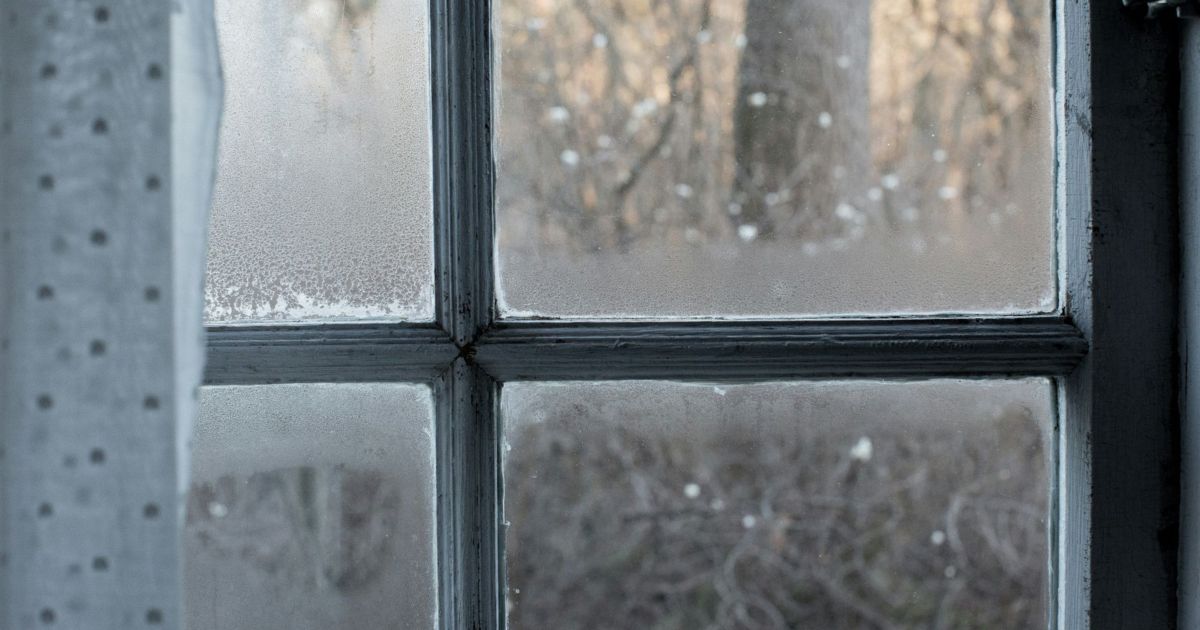
Condensation occurs when warm indoor air comes into contact with cold surfaces like windows and walls, so this is especially common during winter mornings. While some condensation is normal, excessive moisture buildup can contribute to mould growth over time, so wiping down windows and wet surfaces regularly helps prevent moisture from lingering.
Using a dehumidifier can also help reduce indoor humidity, particularly in rooms prone to moisture, like bedrooms, bathrooms, or poorly ventilated living areas. Maintaining steady indoor temperatures rather than dramatic heating changes may also reduce condensation levels. Homes with good insulation are generally better equipped to manage condensation because interior surfaces stay warmer.
Check for Hidden Leaks
Not all damp issues are caused by weather or condensation, in some cases, hidden plumbing leaks may be contributing to ongoing moisture problems inside walls, under floors, or beneath sinks. Leaks can often go unnoticed for long periods before visible damage appears, so signs like unexplained water stains, rising water bills, or persistent damp smells may indicate a hidden issue.
In situations where the source of moisture is difficult to identify, professional leak detection services Melbourne homeowners rely on can help locate hidden plumbing problems before they become more serious and expensive to repair. Addressing leaks early is essential for preventing mould growth and structural damage.
Prevent Mould From Spreading
Mould is one of the most common consequences of damp homes during winter, and aside from damaging walls and furnishings, mould can also affect indoor air quality and aggravate allergies or respiratory conditions.
Small patches of mould can often be cleaned carefully using appropriate household cleaning products and proper ventilation, but simply wiping mould away without addressing the underlying moisture problem will usually result in it returning. In severe cases where mould covers large areas or repeatedly returns, professional assistance may be required.
Use Heating Wisely
Heating helps keep homes comfortable during winter, but it should be used carefully alongside proper ventilation, because overheated rooms without airflow can increase condensation problems, especially overnight. Consistent moderate heating is often more effective than extreme temperature fluctuations, so portable heaters, split systems, and ducted heating can all assist with moisture control when combined with good ventilation practices.
Prevention Is Always Easier Than Repairs
Damp may seem like a minor winter inconvenience at first, but untreated moisture problems can quickly escalate into expensive repairs and ongoing health concerns. The combination of colder temperatures, rain, and poor airflow makes winter the perfect time for damp to spread unnoticed, so by improving ventilation, managing condensation, checking for leaks, and maintaining your property properly, Australian homeowners can significantly reduce the risk of damp and mould during winter.
A dry home is not only more comfortable, but it’s also healthier, safer, and far easier to maintain in the long run.


